
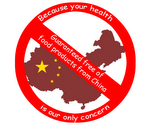
The hacking of Google, and the firm's decision to re-evaluate its entire operation in Communist China (h/t to NRO - The Corner) , may lead to dramatic changes on several levels, including bringing the day of liberation closer than before Google made its announcement. That may sound dramatic, but I believe it to be true. To understand why, let's take this step by step.
We'll start with the purpose of the attack on Google: "accessing the Gmail accounts of Chinese human rights activists." The first lesson we - and everyone else - can learn is this: any foreign business in Communist China will become part of the regime's surveillance system - whether they want to be or not. Ethan Gutmann has done a terrific job detailing how low the American business community had fallen in Losing the New China. In those cases, however, the firms were more than willing to help the cadres find and seize anti-Communists. In this case, Google clearly assumed (like most investors and businesses) that they would be "non-political." They found out the hard way that there is no such thing as non-political in Communist China. Current and future investors will take note, and hopefully make some very different decisions based upon this.
There is one line of thought that Google's decision is driven more by dollars and cents than common sense or moral outrage (see Sarah Lacy at Tech Crunch). In its own way, however, even this is good news, in part because the thrust of Lacy's column (revealed in this question: "Does anyone really think Google would be doing this if it had top market share in the country?") completely misses the point. The CCP will ensure Google will never win "top market share." Foreign business aren't supposed to succeed; they're supposed to throw good money after bad into Communist China while the CCP finds their intellectual property and robs them blind (again, Gutmann is a fantastic source). That hasn't stopped so many from dreaming of profits and "one billion customers." Google is no different.
What Google's action tells us is something about the American information technology sector: aiding repression is still considered bad business. We weren't sure if the old hyper-libertarian impulse that had been with the IT sector since its birth was still around. Now we know it is. This means it will be much harder for the CCP to convince Google's rivals or its successors to take its place as a dissident tracker (no one can claim they didn't see it coming anymore).
Given the fallout that is coming from this, why would the CCP risk losing so many investors - present and future - with this move? Well, here's the final (and most important lesson) here: The CCP cares about its preservation and its power first, last, and always. Economics, diplomacy, and everything else are just means to the above end. No one can claim otherwise. No one can be fooled by the CCP propaganda that they peddle about its "peaceful rise" and its supposed concern about economic growth above all else.
In short - to borrow and twist the famous line from The Usual Suspects - the devil can no longer convince the world that he doesn't exist.
This is something that will be remembered with every CCP acquisition abroad, every CCP foray into international politics. The elites of free world may finally began to view the CCP with the suspicion it deserves (the peoples of the free world have that suspicion already). However, this could be most damaging in the area it first started - outside investments in Communist China.
The CCP needs outside investors for a slew of reasons: the money, of course, the de facto endorsement that comes with an investment, and the new friends that can be used as apologists. As I have noted repeatedly, the CCP needs affirmation from outside to justify its regime to the suffering people inside. Without the former, the latter becomes that much harder (one of the lessons learned from European Communism in the 1980s), and getting more of the former took a major hit with Google's announcement yesterday.
Yes, the regime will survive if Google finally does withdraw, but it will be weakened, and with Iran in turmoil, anti-Communists gaining momentum in Taiwan, and India growing more leery of Zhongnanhai, the CCP cannot afford any more weakness.
Showing posts with label Overseas intimidation. Show all posts
Showing posts with label Overseas intimidation. Show all posts
Wednesday, January 13, 2010


Friday, January 16, 2009
And they were doing so well
It was another rough day for the Chinese Communist Party, with the biggest blow coming from a most unexpected source - Taiwan.
Beyond the Taiwanese straits, things pretty much followed the new normal. The European Parliament raked Eutelsat over the coals for shutting out New Tang Dynasty Television (Epoch Times), but the EP has little real power. Senator Hillary Clinton (part of arguably the friendliest American Administration the CCP ever faced) gave the usual fog of words on her way to becoming Secretary of State (McClatchy via Yahoo). South Korean appeaser-in-chief Kim Dae-jung tried his hand at advising President-elect Obama (Washington Times), while the American "engagement" crew held another gathering to blast "isolationary policies" (Epoch Times).
Meanwhile, the usual platitudes about fighting corruption (Bloomberg) came with the ever-increasing warnings to from the higher ranks to the rest of the cadres of the economic problems ahead (Agence France Presse via Yahoo), which was likely done to reinforce the former because there won't be as much bounty to steal. Add to it the typical persecutions (BBC and Epoch Times) and one is left with a series of events and news that was par for the course.
The news from the island democracy, however, was chilling - for Beijing (AFP via Yahoo):
Now, under normal circumstances (even the new normal), it would be Taiwan alone that would suffer the consequences of this embarrassment. However, this Taiwanese government specifically campaigned on a platform of non-confrontation with the CCP. President Ma's determination to follow through on that has spooked larger numbers of Taiwanese, and not just the supporters of the anti-Communist Democratic Progressive Party, which Ma tossed out of power with his election win last year.
The fact that Ma's party employed a conduit for sending information to Communist China will remind everyone why they were suspicious of Ma's Kuomintang (Nationalist) Party in the first place (it lost the elections of 2000 and 2004 over concerns it was too cozy with the CCP), which is the last thing the cadres need right now.
We already knew that the Communist-Nationalist charm offensive was falling flat - with less than one in fifteen Taiwanese asking for reunification under Communist rule. Now the rest of the country - but especially the voters who pulled the lever for the Nationalists due to domestic issues - will have to think long and hard before voting "blue" (color of the Nationalists and their allies) again.
Taiwan was one of the few bright spots for the CCP in 2008. Amidst the poisoned exports, the Olympic flop, and the economic slowdown, the cadres could look to the friendly government on the island and realize that its primary goal (gobbling Taiwan up) was becoming closer to reality. That "progress" could very well be halted in its tracks, giving the anti-Communist "green" coalition (DPP and its friends) time to regroup and make its case that resistance to the CCP trumps everything else.
After all, even most Taiwanese who wanted friendly relations between Beijing and Taipei probably didn't have this in mind.
Beyond the Taiwanese straits, things pretty much followed the new normal. The European Parliament raked Eutelsat over the coals for shutting out New Tang Dynasty Television (Epoch Times), but the EP has little real power. Senator Hillary Clinton (part of arguably the friendliest American Administration the CCP ever faced) gave the usual fog of words on her way to becoming Secretary of State (McClatchy via Yahoo). South Korean appeaser-in-chief Kim Dae-jung tried his hand at advising President-elect Obama (Washington Times), while the American "engagement" crew held another gathering to blast "isolationary policies" (Epoch Times).
Meanwhile, the usual platitudes about fighting corruption (Bloomberg) came with the ever-increasing warnings to from the higher ranks to the rest of the cadres of the economic problems ahead (Agence France Presse via Yahoo), which was likely done to reinforce the former because there won't be as much bounty to steal. Add to it the typical persecutions (BBC and Epoch Times) and one is left with a series of events and news that was par for the course.
The news from the island democracy, however, was chilling - for Beijing (AFP via Yahoo):
A Taiwanese government official and a legislator's aide were arrested Thursday for allegedly leaking state secrets to China, officials and reports said.
Wang Ren-bing, a specialist in the presidential office, and Chen Ping-ren, aide to a ruling Kuomintang lawmaker, were taken into custody early Thursday on suspicion of violating national security laws, said a spokesman at Taipei district court.
The spokesman declined to comment on reports that Chen allegedly passed information on the May 20, 2008 inauguration of President Ma Ying-jeou he obtained from Wang to Chinese intelligence.
The United Daily News, citing unnamed sources, reported Thursday that Wang photocopied documents pertaining to the handover of power to Ma from his predecessor Chen Shui-bian as well as the presidential office organisational charts and division phone numbers.
Now, under normal circumstances (even the new normal), it would be Taiwan alone that would suffer the consequences of this embarrassment. However, this Taiwanese government specifically campaigned on a platform of non-confrontation with the CCP. President Ma's determination to follow through on that has spooked larger numbers of Taiwanese, and not just the supporters of the anti-Communist Democratic Progressive Party, which Ma tossed out of power with his election win last year.
The fact that Ma's party employed a conduit for sending information to Communist China will remind everyone why they were suspicious of Ma's Kuomintang (Nationalist) Party in the first place (it lost the elections of 2000 and 2004 over concerns it was too cozy with the CCP), which is the last thing the cadres need right now.
We already knew that the Communist-Nationalist charm offensive was falling flat - with less than one in fifteen Taiwanese asking for reunification under Communist rule. Now the rest of the country - but especially the voters who pulled the lever for the Nationalists due to domestic issues - will have to think long and hard before voting "blue" (color of the Nationalists and their allies) again.
Taiwan was one of the few bright spots for the CCP in 2008. Amidst the poisoned exports, the Olympic flop, and the economic slowdown, the cadres could look to the friendly government on the island and realize that its primary goal (gobbling Taiwan up) was becoming closer to reality. That "progress" could very well be halted in its tracks, giving the anti-Communist "green" coalition (DPP and its friends) time to regroup and make its case that resistance to the CCP trumps everything else.
After all, even most Taiwanese who wanted friendly relations between Beijing and Taipei probably didn't have this in mind.
Wednesday, January 14, 2009
Follow the money (if you can keep up)
The pillars holding up the myth of Communist China are coming down, one by one. The latest the bite the dust was the notion of the CCP as the great investment opportunity of the 21st Century. What makes this more important than the others is that in many cases, political leaders were drawn to "engagement" by the business communities in their respective nations. With the business community now exiting Communist China, the political backing for "engagement" could start to crumble.
We'll start with the news. The Royal Bank of Scotland, which bought into the regime-run Bank of China less than four years ago, has sold out, following in the footsteps of Bank of America. They're not be alone either, as Bloomberg notes:
Folks, when Li Ka-Shing is unloading his investments in Communist China, it's time to head for the exits. The fact that RBS lost over $750 million on the investment is another omen (BBC). If Goldman Sachs starts dropping stock on April 29, the jig may very well be up.
However, this is all in the economic and financial realm, and anyone who follows this space would know that economics is not reliable as a weapon. Certainly, the economic downturn will cause the CCP serious headaches - and is, in fact, causing a few already - but I doubt it will lead to the regime's demise per se.
What should worry the cadres - because this really could put the regime in danger - is what it means for the outside view of their regime.
As John Pomfret notes so well in the Washington Post Global Blog, "There's a cottage industry in Washington and in investment banks around the globe (who have a lot of skin in China's continued growth) that China is going to make it." Some of the investment banks to which Pomfret refers are the very banks that are taking their "skin" out of the game as fast as possible. These are the moneyed entities that have most politicians' ears on economic, political, and even some geopolitical matters. For years, if not decades, this bunch (Wall Street for Americans, Bay Street for Canadians, the City for Britons, etc.) have been insistent that the CCP is a fine group of folks, a decent player on the world stage and excellent steward of the economy. For all I know, these may still be the words used in the financial community, but now the money is saying something entirely different.
This could have dramatic implications whenever the CCP needs cover for its overseas intimidation (Epoch Times) or its human rights abuses (Epoch Times). No longer will the leading entrepreneurs and financiers in the free world have a vested interest in keeping the Communists' happy. No longer will they feel so compelled to come to the regime's defense. It may take time for that reality to trickle down to the political realm, but it will get there.
Thus bereft of the support of Western financiers (or at the very least, with that support diminished), the regime will have to rely on their anti-American terrorist allies to intimidate or defeat the free world (Epoch Times and One Free Korea). Lest anyone get the wrong impression, the Communists won't be increasing their anti-American activity or support; they'll just have more at stake in its success - at the exact same time when the democratic world will become more interested in seeing the CCP as it really is. For Zhongnanhai, that's a perfect storm - right on top of them.
The Soviet Union was never able to present itself as a part of the global economic community (it was decades before they were even willing to try). The CCP managed to pull that off in many circles, and they have used that as cover for their real objectives against America for years. We are watching that cover slowly disappear. Expect many more eyes to be opened to the real nature of the Chinese Communist Party.
We'll start with the news. The Royal Bank of Scotland, which bought into the regime-run Bank of China less than four years ago, has sold out, following in the footsteps of Bank of America. They're not be alone either, as Bloomberg notes:
The Edinburgh-based bank sold 10.8 billion shares for HK$1.71 apiece, or about 7.6 percent less than Bank of China’s closing price in Hong Kong today, said three people familiar with the sale who declined to be identified before a formal announcement.
. . .
Hong Kong billionaire Li Ka-shing raised $511 million selling shares in Bank of China on Jan. 7. Separately, Bank of America sold $2.8 billion of shares in China Construction Bank Corp., while Zurich-based UBS sold about $900 million of Bank of China shares last week.
Goldman Sachs still owns 16.5 billion shares in Industrial & Commercial Bank of China Ltd., the world’s largest bank by market value, and has agreed not to sell the
shares until after April 28.
Folks, when Li Ka-Shing is unloading his investments in Communist China, it's time to head for the exits. The fact that RBS lost over $750 million on the investment is another omen (BBC). If Goldman Sachs starts dropping stock on April 29, the jig may very well be up.
However, this is all in the economic and financial realm, and anyone who follows this space would know that economics is not reliable as a weapon. Certainly, the economic downturn will cause the CCP serious headaches - and is, in fact, causing a few already - but I doubt it will lead to the regime's demise per se.
What should worry the cadres - because this really could put the regime in danger - is what it means for the outside view of their regime.
As John Pomfret notes so well in the Washington Post Global Blog, "There's a cottage industry in Washington and in investment banks around the globe (who have a lot of skin in China's continued growth) that China is going to make it." Some of the investment banks to which Pomfret refers are the very banks that are taking their "skin" out of the game as fast as possible. These are the moneyed entities that have most politicians' ears on economic, political, and even some geopolitical matters. For years, if not decades, this bunch (Wall Street for Americans, Bay Street for Canadians, the City for Britons, etc.) have been insistent that the CCP is a fine group of folks, a decent player on the world stage and excellent steward of the economy. For all I know, these may still be the words used in the financial community, but now the money is saying something entirely different.
This could have dramatic implications whenever the CCP needs cover for its overseas intimidation (Epoch Times) or its human rights abuses (Epoch Times). No longer will the leading entrepreneurs and financiers in the free world have a vested interest in keeping the Communists' happy. No longer will they feel so compelled to come to the regime's defense. It may take time for that reality to trickle down to the political realm, but it will get there.
Thus bereft of the support of Western financiers (or at the very least, with that support diminished), the regime will have to rely on their anti-American terrorist allies to intimidate or defeat the free world (Epoch Times and One Free Korea). Lest anyone get the wrong impression, the Communists won't be increasing their anti-American activity or support; they'll just have more at stake in its success - at the exact same time when the democratic world will become more interested in seeing the CCP as it really is. For Zhongnanhai, that's a perfect storm - right on top of them.
The Soviet Union was never able to present itself as a part of the global economic community (it was decades before they were even willing to try). The CCP managed to pull that off in many circles, and they have used that as cover for their real objectives against America for years. We are watching that cover slowly disappear. Expect many more eyes to be opened to the real nature of the Chinese Communist Party.
Tuesday, December 09, 2008
Communists try more bluster
The Chinese Communist Party appears to have found a method to deal with its economic problems (Bloomberg and - in its C e-L debut - National Public Radio): bulling foreign suppliers (Bloomberg):
Whether or not this rather bold move at intimidation will succeed is hard to say. The important point is that it jives pretty well with the CCP's modus operandi - find foreigners to blame, blame them loudly (watch what happens with Rio responds), present yourself as the defender of Ahn Chinese pride, and arrest anyone who disagrees.
It's much easier than admitting to your mistakes; unfortunately, the Soviets already tried it, and we know what happened to them.
Meanwhile, the Korean colonial viceroy is having better luck (One Free Korea), not to be confused with the Korean people, who continue to suffer (Washington Post). Still, all the successes of the satellite state will mean nothing if the CCP falls . . .
. . . and fall it will; it's just a matter of time. The bad news: if "time" is years or decades, many more Chinese and Koreans will die, and many others from around the world may die if the CCP lashes out before it collapses.
China, the world’s largest iron ore consumer, may ask Rio Tinto Group and rivals to accept an 82 percent price cut for the raw material after steel prices plunged to 1994 levels, an industry official said.
“Iron ore prices should keep pace with steel prices which have fallen to the 1994 level,” Shan Shanghua, secretary in general of the China Iron and Steel Association, said today in a phone interview. “We are asking for a big drop in iron ore prices.”
Whether or not this rather bold move at intimidation will succeed is hard to say. The important point is that it jives pretty well with the CCP's modus operandi - find foreigners to blame, blame them loudly (watch what happens with Rio responds), present yourself as the defender of Ahn Chinese pride, and arrest anyone who disagrees.
It's much easier than admitting to your mistakes; unfortunately, the Soviets already tried it, and we know what happened to them.
Meanwhile, the Korean colonial viceroy is having better luck (One Free Korea), not to be confused with the Korean people, who continue to suffer (Washington Post). Still, all the successes of the satellite state will mean nothing if the CCP falls . . .
. . . and fall it will; it's just a matter of time. The bad news: if "time" is years or decades, many more Chinese and Koreans will die, and many others from around the world may die if the CCP lashes out before it collapses.
Friday, December 05, 2008
Jonah Goldberg nails it
If I could, I would make Jonah Goldberg's column in National Review Online required reading for the entire blogosphere. As I can't, I'll just highlight the really good parts (but you should still read the whole thing):
Jonah wrote that as part of his skeptical response to the Communist-China-is-the-future conventional wisdom. I'm guessing he'll hear from a lot of furious emailers telling him how wrong he is, but the cadres themselves know that every word of it is true. Yet the moment they acknowledge this, their facade of strength - upon which they rely for much of their global power - vanishes.
That's why they're insisting on picking fights with the Dalai Lama (Agence France Presse via Yahoo, Epoch Times, and ISN) and overseas opponents (Between Heaven and Earth, Epoch Times, and World Tribune) while merely hinting that something has gone horribly awry (BBC and Bloomberg). If the world is not distracted by the regime's bombast (which can include dramatic offers of "aid" - BBC), they may focus too much on the weakness behind, which despite the aforelinked "warnings," is already here (Epoch Times and Guardian, UK).
For in reality, as Goldberg himself notes:
Cross-posted to the right-wing liberal
Ask yourself this: Why are we in this financial crisis?
Any short list of reasons would include a lack of transparency in markets and regulatory rule-making; collusion between business and government; the politicization of lending practices (including the socialization of risk and the privatization of profit through giant governmental entities like Fannie Mae); and, of course, simple greed.
Does anyone honestly think China doesn’t have these problems ten times over? It has no free press, no democratic accountability, and no truly independent regulators.
After every Chinese earthquake, we discover that safety inspectors couldn’t be trusted to oversee the construction of schools and hospitals. And we’re supposed to believe that China’s corrupt model produces toxic baby formula but spic-and-span finances?
Jonah wrote that as part of his skeptical response to the Communist-China-is-the-future conventional wisdom. I'm guessing he'll hear from a lot of furious emailers telling him how wrong he is, but the cadres themselves know that every word of it is true. Yet the moment they acknowledge this, their facade of strength - upon which they rely for much of their global power - vanishes.
That's why they're insisting on picking fights with the Dalai Lama (Agence France Presse via Yahoo, Epoch Times, and ISN) and overseas opponents (Between Heaven and Earth, Epoch Times, and World Tribune) while merely hinting that something has gone horribly awry (BBC and Bloomberg). If the world is not distracted by the regime's bombast (which can include dramatic offers of "aid" - BBC), they may focus too much on the weakness behind, which despite the aforelinked "warnings," is already here (Epoch Times and Guardian, UK).
For in reality, as Goldberg himself notes:
That is the cadres' worst nightmare, but every indication shows it's true. Despite Zhongnanhai's best efforts, it has fallen right into the Brezhnev path to oblivion.There’s an honest debate about how much blame institutions like Fannie Mae and laws like the Community Reinvestment Act deserve for the financial crisis, but few honest observers dispute that they played some kind of deleterious role. Well, China’s entire economy is one big Fannie Mae, its laws one big Community Reinvestment Act.
I’m willing to bet that the bill for that comes due long, long, long before China catches up with the United States of America.
Cross-posted to the right-wing liberal
Thursday, December 04, 2008
Bluster and Balderdash
The Chinese Communist Party decided to do some chest-thumping today.
At an economic meeting with visiting Treasury Secretary Henry Paulson, Vice Premier Wang Qishan took the time to demand America "stabilise its economy and financial markets and ensure the safety of China's assets and investment in the United States" (Agence France Presse via Yahoo). It's arguably one of the most blunt statements tossed across the Pacific since Mao Zedong's day.
On some level, the cadres have reason to talk tough. Their advances against the island democracy on Taiwan (best detailed by Joseph Wu of the Jamestown Foundation) continue apace, and judging by this sickly Washington Times "special," they're continuing to neutralize some leading conservative constellations in the United States.
Still, one has to wonder if this is more driven by the need to distract attention from the continuing internal turmoil.
William R. Hawkins makes the point brilliantly (ironically, also in the Washington Times):
Indeed, American policy should, but the mess that is mainland China is doing a fairly good job as it is. More ordinary Chinese are suffering under the brutal dictatorship (Epoch Times and more Epoch Times). The melamine fiasco refuses to go away (Epoch Times). Finally, Europe - of all places - refuses to toe the Communist line on Tibet (AFP via Yahoo and BBC), a sure sign that not everyone is overawed by the "country of the future" nonsense.
Odds are we'll get more blunt statements, threats, and the usual tantrums to which dictatorships resort when things are dicey at home. The Soviets went through the same thing in the 1970s and 1980s, but it was much harder for the truth to come out. This time, the truth comes out more easily, but there is less resolve in the Western world to act on it. The Soviets survived due to forced silence at home; the Chinese Communists survive due to intimidated silence abroad.
That must stop.
At an economic meeting with visiting Treasury Secretary Henry Paulson, Vice Premier Wang Qishan took the time to demand America "stabilise its economy and financial markets and ensure the safety of China's assets and investment in the United States" (Agence France Presse via Yahoo). It's arguably one of the most blunt statements tossed across the Pacific since Mao Zedong's day.
On some level, the cadres have reason to talk tough. Their advances against the island democracy on Taiwan (best detailed by Joseph Wu of the Jamestown Foundation) continue apace, and judging by this sickly Washington Times "special," they're continuing to neutralize some leading conservative constellations in the United States.
Still, one has to wonder if this is more driven by the need to distract attention from the continuing internal turmoil.
William R. Hawkins makes the point brilliantly (ironically, also in the Washington Times):
"China's international standing is based partly on foreigners' calculations that it is 'the country of the future,' " says the NIC (C e-L note: NIC stands for National Intelligence Council). U.S. policy should disabuse the world of this notion.
Indeed, American policy should, but the mess that is mainland China is doing a fairly good job as it is. More ordinary Chinese are suffering under the brutal dictatorship (Epoch Times and more Epoch Times). The melamine fiasco refuses to go away (Epoch Times). Finally, Europe - of all places - refuses to toe the Communist line on Tibet (AFP via Yahoo and BBC), a sure sign that not everyone is overawed by the "country of the future" nonsense.
Odds are we'll get more blunt statements, threats, and the usual tantrums to which dictatorships resort when things are dicey at home. The Soviets went through the same thing in the 1970s and 1980s, but it was much harder for the truth to come out. This time, the truth comes out more easily, but there is less resolve in the Western world to act on it. The Soviets survived due to forced silence at home; the Chinese Communists survive due to intimidated silence abroad.
That must stop.
Wednesday, December 03, 2008
More steps in Brezhnev's shoes
The Chinese Communist Party had another typical day - typical of the Soviets in the 1970s, that is.
Within the free world, they were able to score some wins. Their minions disrupted anti-Communist efforts in Korea (Washington Post) and Israel (Epoch Times), while an American court ordered a Chinese mother of four - and thus a violator of the one-child policy - back home to face sterilization (World Net Daily).
Before anyone goes after the jurists in this case, it must be remembered that the Xiu Mei Wei could easily be granted asylum by the political branches of the government. That neither President Bush nor Speaker Nancy Pelosi has even begun to consider this reflects badly on both - but especially Pelosi, given her anti-Communist past.
It's a different story on the Communists' home turf: reports of citizens angry at local cadres (Epoch Times), petitioners telling their tales of being tortured by Communist police (Epoch Times), and more melamine (BBC). This on top of the usual reaction that comes from brutal human rights abuses (Epoch Times) - reaction which remains quiet until the moment the camel's back is broken and the people rise up to take their country back.
All in all, it was another day of muddling through for the cadres, but while they mark time, the end comes one day closer.
Within the free world, they were able to score some wins. Their minions disrupted anti-Communist efforts in Korea (Washington Post) and Israel (Epoch Times), while an American court ordered a Chinese mother of four - and thus a violator of the one-child policy - back home to face sterilization (World Net Daily).
Before anyone goes after the jurists in this case, it must be remembered that the Xiu Mei Wei could easily be granted asylum by the political branches of the government. That neither President Bush nor Speaker Nancy Pelosi has even begun to consider this reflects badly on both - but especially Pelosi, given her anti-Communist past.
It's a different story on the Communists' home turf: reports of citizens angry at local cadres (Epoch Times), petitioners telling their tales of being tortured by Communist police (Epoch Times), and more melamine (BBC). This on top of the usual reaction that comes from brutal human rights abuses (Epoch Times) - reaction which remains quiet until the moment the camel's back is broken and the people rise up to take their country back.
All in all, it was another day of muddling through for the cadres, but while they mark time, the end comes one day closer.
Monday, November 24, 2008
They found their target
So it appears the Chinese Communist Party has finally figured out how to solve its Brezhnev-redux problem.
Take steps to fix an economy busted by decades of corruption and manipulation (Epoch Times)? Of course not.
Reach out to the disaffected masses (Epoch Times)? No dice, save for an embarrassingly faked propaganda moment (Washington Post).
Take aim at the corruption that has literally poisoned the Chinese economy - domestically and internationally (Epoch Times)? You're joking, right?
Reign in the Korean colony? Why should Beijing mess with success (CNN, CNN again, One Free Korea, more One Free Korea, and the Washington Times)?
Face up to their brutal history as occupiers of Tibet (BBC and CNN) and East Turkestan - the latter of which has become so horrid that even your fellow occupying cadres have had enough (Epoch Times)? Try again.
Rethink their treatment of their own people, including following a UN panel's recommendation to look into the Falun Gong organ-harvesting outrage (Epoch Times). In a word: no.
Instead, the Communists have decided that their silver bullet for all of the above maladies is . . . to launch a rhetorical broadside against Axl Rose (Between Heaven and Earth and the London Telegraph) because he wrote an anti-Communist song - the title track for Chinese Democracy.
On one level, the absurdity of going after a song in the face of, well, everything else is comical, especially considering the Rose and his Guns 'N' Roses band's sails lost the Zeitgeist years ago. Then again, the CCP remains the entity that accidentally performed the heretofore impossible task of restoring the reputation of the Prince of Wales.
However, this is one regime that understands the sword's weaknesses against the pen. It's why they have stretched the Long Arm of Lawlessness out to smack NTDTV (Epoch Times), bury the unpleasant aspects of its history whenever and wherever possible (Weekly Standard), etc.
Trouble is, for all their efforts, the regime's true face keeps being seen (San Francisco Chronicle and the USCC), such that even their success in Taiwan (Epoch Times) comes with caveats (Washington Times).
In short, the cadres are exactly where the Soviets were thirty years ago, with an economy and social structure rotting away, and international acceptance just outside its reach - exactly where they did not wish to be.
Yet they refuse to do what the very few surviving European Communist parties (Hungary and Bulgaria, mostly) have done: namely abdicate power, admit to their mistakes, and take their chances on the electorate. So the economy and society will continue to decay; an aging rock band gets an unintentional boost to its career; and the clock continues to wind down on the Chinese Communist Party.
Take steps to fix an economy busted by decades of corruption and manipulation (Epoch Times)? Of course not.
Reach out to the disaffected masses (Epoch Times)? No dice, save for an embarrassingly faked propaganda moment (Washington Post).
Take aim at the corruption that has literally poisoned the Chinese economy - domestically and internationally (Epoch Times)? You're joking, right?
Reign in the Korean colony? Why should Beijing mess with success (CNN, CNN again, One Free Korea, more One Free Korea, and the Washington Times)?
Face up to their brutal history as occupiers of Tibet (BBC and CNN) and East Turkestan - the latter of which has become so horrid that even your fellow occupying cadres have had enough (Epoch Times)? Try again.
Rethink their treatment of their own people, including following a UN panel's recommendation to look into the Falun Gong organ-harvesting outrage (Epoch Times). In a word: no.
Instead, the Communists have decided that their silver bullet for all of the above maladies is . . . to launch a rhetorical broadside against Axl Rose (Between Heaven and Earth and the London Telegraph) because he wrote an anti-Communist song - the title track for Chinese Democracy.
On one level, the absurdity of going after a song in the face of, well, everything else is comical, especially considering the Rose and his Guns 'N' Roses band's sails lost the Zeitgeist years ago. Then again, the CCP remains the entity that accidentally performed the heretofore impossible task of restoring the reputation of the Prince of Wales.
However, this is one regime that understands the sword's weaknesses against the pen. It's why they have stretched the Long Arm of Lawlessness out to smack NTDTV (Epoch Times), bury the unpleasant aspects of its history whenever and wherever possible (Weekly Standard), etc.
Trouble is, for all their efforts, the regime's true face keeps being seen (San Francisco Chronicle and the USCC), such that even their success in Taiwan (Epoch Times) comes with caveats (Washington Times).
In short, the cadres are exactly where the Soviets were thirty years ago, with an economy and social structure rotting away, and international acceptance just outside its reach - exactly where they did not wish to be.
Yet they refuse to do what the very few surviving European Communist parties (Hungary and Bulgaria, mostly) have done: namely abdicate power, admit to their mistakes, and take their chances on the electorate. So the economy and society will continue to decay; an aging rock band gets an unintentional boost to its career; and the clock continues to wind down on the Chinese Communist Party.
Friday, November 21, 2008
The CCP admits to the problem
The Chinese Communist Party has made a major diversion from the Brezhnevian path of their Soviet forebearers; they've come clean about their economy being in serious trouble (CNN and the Washington Post). It's where the solution part comes in that they still have trouble.
More and more citizens are finding out that the half-trillion-dollar "stimulus" plan is actually a bunch of smoke and mirrors (Washington Post). This is certain to further undermine confidence in the CCP, which is already putting out fires on multiple fronts (BBC and Epoch Times).
As one would expect, the Communists are continuing to play the only card they have - radical nationalism and aggressive foreign policy. Trouble is, their military buildup is raising hackles even in friendly democratic nations like Australia (AAP via Epoch Times), while the Long Arm of Lawlessness is also starting to lose its reach (Epoch Times). In this respect, the Brezhnev puzzle remains unsolved.
The cadres are running out of options. More are seeing that Beijing's huge American debt holdings are less than meet the eye (He Qinglian, Epoch Times, although I do not agree with all of her points; my take is here). The Communists must actually solve the problems of their economy: rampant corruption, debilitating regime control, and overdependence on exports. These issues cannot be resolved by a tyrannical "state capitalist" system, and unless the Communists drop it, they will follow it onto the ash-heap of history.
More and more citizens are finding out that the half-trillion-dollar "stimulus" plan is actually a bunch of smoke and mirrors (Washington Post). This is certain to further undermine confidence in the CCP, which is already putting out fires on multiple fronts (BBC and Epoch Times).
As one would expect, the Communists are continuing to play the only card they have - radical nationalism and aggressive foreign policy. Trouble is, their military buildup is raising hackles even in friendly democratic nations like Australia (AAP via Epoch Times), while the Long Arm of Lawlessness is also starting to lose its reach (Epoch Times). In this respect, the Brezhnev puzzle remains unsolved.
The cadres are running out of options. More are seeing that Beijing's huge American debt holdings are less than meet the eye (He Qinglian, Epoch Times, although I do not agree with all of her points; my take is here). The Communists must actually solve the problems of their economy: rampant corruption, debilitating regime control, and overdependence on exports. These issues cannot be resolved by a tyrannical "state capitalist" system, and unless the Communists drop it, they will follow it onto the ash-heap of history.
Monday, November 17, 2008
Here we go again
Hu Jintao, the leader of the Chinese Communist Party, continues to show us that the Russian translation of his name is Leonid Brezhnev.
Outwardly, the CCP is all ambition and repression. The alarming and horrifying expose by Ethan Guttman (f.d., friend of the C e-L since 2004) about the organ harvesting of religious dissidents (Weekly Standard) is sure to get the usual dismissals, cat-calls, and opprobrium. Never mind that similar tales of Soviet abominations (ecological nightmares, the Katyn massacre, and millions upon millions of Red Army rapes in occupied Eastern Europe, to name a few) were similarly dismissed with haughty laughter, only to be horrifyingly confirmed as European Communism collapsed. For the CCP, it's all about being the indispensable part of the global economy (Epoch Times and Washington Post), building aircraft carriers (BBC), maneuvering the Korean colony to win more concessions and praise for Beijing (One Free Korea and the Washington Times), and feting celebrities (Boycott 2008).
Still, while the rule of Western naivete in the face of Communist dishonesty still holds firm on the organ harvesting issue, exceptions are starting to pop up all over the place.
For starters, the half-trillion-dollar-plus "rescue package" that was supposed to symbolize the CCP's arrival as a global economic powerhouse is coming under more scrutiny - never a good thing for the cadres. In fact, according to the Washington Times, "the central government would only be coughing up a quarter of the money, with the rest coming from local governments and state-owned enterprises." In other words, the Communists are expecting the local robber-barons to fix their own messes - the very messes said robber-barons created with land seizures and rampant corruption. Moreover, there's hardly any "new" action in the plan: "Some international experts who specialize in Chinese economics believe that over 60% of the projects in its rescue package plan are just recycled ideas given a new title" (Epoch Times).
Once again, as Beijing repeats Moscow's old fantasies, China repeats the old USSR's painful realities - over 66,000 factories shut down in the last six months (Epoch Times), and there's plenty more where that came from (Epoch Times).
Meanwhile, the melamine poison scandal has been joined by other food poisons: clenbuterol and formaldehyde (Epoch Times), and the regime's lead soccer league has become so corrupt it was taken off the TV (BBC).
All of this was merely in China proper. Occupied Tibet may become a much trickier file (BBC and CNN), and even long-time ally Pakistan is becoming a headache - albeit for vastly different reasons (Epoch Times).
So there's plenty of things to keep the regime busy, but instead, the cadres continue to focus on imprisoning dissidents (Between Heaven and Earth and the Epoch Times), intimidating overseas Chinese communities (Epoch Times), and enjoying the fall of political enemies abroad (BBC and CNN).
In other words, the tragedy of Eastern Europe's degradation during the Brezhnev era has indeed been reborn as the farce of Beijing - except that the Chinese people aren't laughing.
Outwardly, the CCP is all ambition and repression. The alarming and horrifying expose by Ethan Guttman (f.d., friend of the C e-L since 2004) about the organ harvesting of religious dissidents (Weekly Standard) is sure to get the usual dismissals, cat-calls, and opprobrium. Never mind that similar tales of Soviet abominations (ecological nightmares, the Katyn massacre, and millions upon millions of Red Army rapes in occupied Eastern Europe, to name a few) were similarly dismissed with haughty laughter, only to be horrifyingly confirmed as European Communism collapsed. For the CCP, it's all about being the indispensable part of the global economy (Epoch Times and Washington Post), building aircraft carriers (BBC), maneuvering the Korean colony to win more concessions and praise for Beijing (One Free Korea and the Washington Times), and feting celebrities (Boycott 2008).
Still, while the rule of Western naivete in the face of Communist dishonesty still holds firm on the organ harvesting issue, exceptions are starting to pop up all over the place.
For starters, the half-trillion-dollar-plus "rescue package" that was supposed to symbolize the CCP's arrival as a global economic powerhouse is coming under more scrutiny - never a good thing for the cadres. In fact, according to the Washington Times, "the central government would only be coughing up a quarter of the money, with the rest coming from local governments and state-owned enterprises." In other words, the Communists are expecting the local robber-barons to fix their own messes - the very messes said robber-barons created with land seizures and rampant corruption. Moreover, there's hardly any "new" action in the plan: "Some international experts who specialize in Chinese economics believe that over 60% of the projects in its rescue package plan are just recycled ideas given a new title" (Epoch Times).
Once again, as Beijing repeats Moscow's old fantasies, China repeats the old USSR's painful realities - over 66,000 factories shut down in the last six months (Epoch Times), and there's plenty more where that came from (Epoch Times).
Meanwhile, the melamine poison scandal has been joined by other food poisons: clenbuterol and formaldehyde (Epoch Times), and the regime's lead soccer league has become so corrupt it was taken off the TV (BBC).
All of this was merely in China proper. Occupied Tibet may become a much trickier file (BBC and CNN), and even long-time ally Pakistan is becoming a headache - albeit for vastly different reasons (Epoch Times).
So there's plenty of things to keep the regime busy, but instead, the cadres continue to focus on imprisoning dissidents (Between Heaven and Earth and the Epoch Times), intimidating overseas Chinese communities (Epoch Times), and enjoying the fall of political enemies abroad (BBC and CNN).
In other words, the tragedy of Eastern Europe's degradation during the Brezhnev era has indeed been reborn as the farce of Beijing - except that the Chinese people aren't laughing.
Wednesday, November 12, 2008
More trouble for the CCP
The news and events continue to pour in - or to be more precise, pour down upon the Chinese Communist Party. The regime is clearly in a "rough patch," as it were.
The extent of the economic slowdown is becoming unavoidable; the coal and coke industry appear to be in a full-fledged recession (Epoch Times) - a word that strikes terror in the heart of a regime that needs economic growth of at least 7% just to keep up with the population. It might also explain the impetus behind the massive "economic stimulus" (Epoch Times) the cadres announced over the weekend, although the success of that plan is debatable, at best. More likely, it will simply mean more incentives for the cadres to steal land and build useless factories while the economy sinks beneath the waves (Epoch Times) and the ecology worsens (EnGadget).
Meanwhile, Tibet continues to be a headache (Epoch Times), and worse, India's center-left government appears to have finally gotten wise about the danger from Beijing (Epoch Times).
The cadres will do their best to ignore all of this, and choose instead to continue expanding their influence abroad (Epoch Times), crush dissent at home (Boycott 2008 and Epoch Times), use the Korean colony to maximum effect (BBC and Newsmax), and enjoy some Taiwanese schadenfreude (BBC, CNN, and the Washington Times). Those who remember the First Cold War will remember this phase of Communism well: the Brezhnev phase.
Leonid Brezhnev's solution for the problems faced by the Soviet Union - ignore them and increase the aggressive behavior abroad - worked so well that the USSR couldn't outlast him by as much as a decade, even though no American President seriously challenged his regime until just before he died. That should bring hope to all anti-Communists. Even if Obama becomes the "second Carter" his critics fear he will be, Hu Jintao seems determined to be the second Brezhnev.
Bismark is reported to have said, "God has a special providence for fools, drunks, and the United States of America." He continues to be more right than he could have possibly imagined.
The extent of the economic slowdown is becoming unavoidable; the coal and coke industry appear to be in a full-fledged recession (Epoch Times) - a word that strikes terror in the heart of a regime that needs economic growth of at least 7% just to keep up with the population. It might also explain the impetus behind the massive "economic stimulus" (Epoch Times) the cadres announced over the weekend, although the success of that plan is debatable, at best. More likely, it will simply mean more incentives for the cadres to steal land and build useless factories while the economy sinks beneath the waves (Epoch Times) and the ecology worsens (EnGadget).
Meanwhile, Tibet continues to be a headache (Epoch Times), and worse, India's center-left government appears to have finally gotten wise about the danger from Beijing (Epoch Times).
The cadres will do their best to ignore all of this, and choose instead to continue expanding their influence abroad (Epoch Times), crush dissent at home (Boycott 2008 and Epoch Times), use the Korean colony to maximum effect (BBC and Newsmax), and enjoy some Taiwanese schadenfreude (BBC, CNN, and the Washington Times). Those who remember the First Cold War will remember this phase of Communism well: the Brezhnev phase.
Leonid Brezhnev's solution for the problems faced by the Soviet Union - ignore them and increase the aggressive behavior abroad - worked so well that the USSR couldn't outlast him by as much as a decade, even though no American President seriously challenged his regime until just before he died. That should bring hope to all anti-Communists. Even if Obama becomes the "second Carter" his critics fear he will be, Hu Jintao seems determined to be the second Brezhnev.
Bismark is reported to have said, "God has a special providence for fools, drunks, and the United States of America." He continues to be more right than he could have possibly imagined.
Friday, November 07, 2008
The President-elect's horizon
Despite the title, little about this post will focus on Barack Obama (I've already addressed his election here). Rather, it will focus on the world around him, and what we will face starting on January 20, 2009. It will be a world of challenges, to be sure, but also opportunities.
Naturally, there will be much attention dedicated to the economy, but even here, the situation is decidedly more mixed than it would initially appear. The economic troubles have hit Communist China with a far greater force than it has it us so far (BBC, Epoch Times, more from the Epoch Times, and the Washington Post), in no small part because it had many more causes - chief among them the effect of poisoned exports (Epoch Times and AAP via Epoch Times).
While economic troubles are concern enough for any government, for a totalitarian regime like the Chinese Communist Party it is particularly worrisome. In democracies like the United States, voters can take out their frustration on the governing party, if they so choose (and, in fact, they did on Tuesday). The Chinese people have no such luck - indeed, any dissent, political or otherwise, will face the same heavy hand as it did in more prosperous times (Between Heaven and Earth, Boycott 2008, CNN, Epoch Times, Radio Free Asia via Epoch Times).
Of course, when the economy was humming, fewer people felt the need to speak their minds, and Westerners - more used to governments toppling at the ballot box during recessions - blithely told themselves that the CCP would be rewarded for their economic stewardship if they ever tested their mandate with the Chinese people. I certainly don't subscribe to that view, but the important point is this: the Communist regime is entering a period where the democratic world would naturally expect a change - meaning the CCP's ability to hide its tyrannical nature will ring more hollow.
As Senator Obama becomes President Obama, this will pose a huge challenge for him, as the cadres will likely move on two fronts. The first is finding any vehicle to economic growth. At first, those who would be courted by Beijing for this might feel good about their position - as the Taiwanese president certainly does (BBC, Washington Post). However, the cadres will make it clear with anyone that any deals that result from their weakened economic position must still come at their political terms - as the people of Taiwan learned the hard way (Epoch Times and the Washington Post). The president-elect should thus be very wary of offers of better relations coming from Beijing (Washington Times), as should any foreign businessman (Epoch Times).
The regime will likely also step up its anti-American efforts, best revealed via its hackers (Financial Times, UK), its increased military prowess (Wall Street Journal), and its Korean colony (One Free Korea and the Weekly Standard).
Finally, Beijing will try to relieve outside pressure by trying to silence exiled dissidents or other anti-Communists in their own countries. The cadres have had great success in Canada (BH&E, Boycott 2008, Canadian Press) and to a lesser extent Australia (Epoch Times), but now even Britain is getting into the act (Wall Street Journal), much to the consternation of the Tibetan people (BBC).
It won't be easy for President Obama to face the truth and resist Communist China's multi-pronged efforts to avoid the judgment of the Chinese people. However, if he holds firm, he will have the support of his fellow American - all his fellow Americans.
After all, even in the entertainment world, Beijing is still acknowledged as a villain (Epoch Times via Boycott 2008).
Naturally, there will be much attention dedicated to the economy, but even here, the situation is decidedly more mixed than it would initially appear. The economic troubles have hit Communist China with a far greater force than it has it us so far (BBC, Epoch Times, more from the Epoch Times, and the Washington Post), in no small part because it had many more causes - chief among them the effect of poisoned exports (Epoch Times and AAP via Epoch Times).
While economic troubles are concern enough for any government, for a totalitarian regime like the Chinese Communist Party it is particularly worrisome. In democracies like the United States, voters can take out their frustration on the governing party, if they so choose (and, in fact, they did on Tuesday). The Chinese people have no such luck - indeed, any dissent, political or otherwise, will face the same heavy hand as it did in more prosperous times (Between Heaven and Earth, Boycott 2008, CNN, Epoch Times, Radio Free Asia via Epoch Times).
Of course, when the economy was humming, fewer people felt the need to speak their minds, and Westerners - more used to governments toppling at the ballot box during recessions - blithely told themselves that the CCP would be rewarded for their economic stewardship if they ever tested their mandate with the Chinese people. I certainly don't subscribe to that view, but the important point is this: the Communist regime is entering a period where the democratic world would naturally expect a change - meaning the CCP's ability to hide its tyrannical nature will ring more hollow.
As Senator Obama becomes President Obama, this will pose a huge challenge for him, as the cadres will likely move on two fronts. The first is finding any vehicle to economic growth. At first, those who would be courted by Beijing for this might feel good about their position - as the Taiwanese president certainly does (BBC, Washington Post). However, the cadres will make it clear with anyone that any deals that result from their weakened economic position must still come at their political terms - as the people of Taiwan learned the hard way (Epoch Times and the Washington Post). The president-elect should thus be very wary of offers of better relations coming from Beijing (Washington Times), as should any foreign businessman (Epoch Times).
The regime will likely also step up its anti-American efforts, best revealed via its hackers (Financial Times, UK), its increased military prowess (Wall Street Journal), and its Korean colony (One Free Korea and the Weekly Standard).
Finally, Beijing will try to relieve outside pressure by trying to silence exiled dissidents or other anti-Communists in their own countries. The cadres have had great success in Canada (BH&E, Boycott 2008, Canadian Press) and to a lesser extent Australia (Epoch Times), but now even Britain is getting into the act (Wall Street Journal), much to the consternation of the Tibetan people (BBC).
It won't be easy for President Obama to face the truth and resist Communist China's multi-pronged efforts to avoid the judgment of the Chinese people. However, if he holds firm, he will have the support of his fellow American - all his fellow Americans.
After all, even in the entertainment world, Beijing is still acknowledged as a villain (Epoch Times via Boycott 2008).
Friday, October 24, 2008
Good Guys 1, Bad Guys 1
The international arena saw two examples of how to handle pressure from Communist China and its satellites. Interestingly enough, the right way (with resolve, determination, and pluck) came from Europe, while the wrong way (appeasement, obfuscation, and cynicism) came from Washington.
The European Parliament awarded Hu Jia the Sakharov Prize for Freedom of Thought this week (NRO - The Corner). One MEP, Helga Trüpel of Germany, detailed the efforts of the cadres to intimidate her and her fellow MEPs into backing down (Epoch Times). The editors of the Washington Post also note that a decision by the cadres to keep slightly looser restrictions on foreign journalists may well have been done "to stop the measure" - and that wasn't all the regime did, as the Post editors document.
Thankfully, it didn't work; even the American State Department took the opportunity to call for Hu's release (Boycott 2008). Sadly, there was far worse news coming from Washington.
One Free Korea goes deep into the wickets of the "agreement" that got North Korea off the State Department terrorist list. It's a shocker; the Communists' Korean colony did not have to agree to anything concrete about its nuclear weapons program. The big, painful requirements were put off to be negotiated at some future date - making just who ends up in the White House more dramatically important than could ever have been imagined just a week ago.
Of even deeper irony, as the Washington Times notes, this is one issue where McCain is the departure from Bush Administration, while Obama would preserve the horrific status quo for a regime so awful not even the UN can mitigate it (BBC).
While the corruption (Epoch Times) and repression (Epoch Times) continue, today was a revelation for determining how the free world will respond to future challenges from the tyrannical one. The glass is only half-full, but that could change for the better on November 4.
The European Parliament awarded Hu Jia the Sakharov Prize for Freedom of Thought this week (NRO - The Corner). One MEP, Helga Trüpel of Germany, detailed the efforts of the cadres to intimidate her and her fellow MEPs into backing down (Epoch Times). The editors of the Washington Post also note that a decision by the cadres to keep slightly looser restrictions on foreign journalists may well have been done "to stop the measure" - and that wasn't all the regime did, as the Post editors document.
Thankfully, it didn't work; even the American State Department took the opportunity to call for Hu's release (Boycott 2008). Sadly, there was far worse news coming from Washington.
One Free Korea goes deep into the wickets of the "agreement" that got North Korea off the State Department terrorist list. It's a shocker; the Communists' Korean colony did not have to agree to anything concrete about its nuclear weapons program. The big, painful requirements were put off to be negotiated at some future date - making just who ends up in the White House more dramatically important than could ever have been imagined just a week ago.
Of even deeper irony, as the Washington Times notes, this is one issue where McCain is the departure from Bush Administration, while Obama would preserve the horrific status quo for a regime so awful not even the UN can mitigate it (BBC).
While the corruption (Epoch Times) and repression (Epoch Times) continue, today was a revelation for determining how the free world will respond to future challenges from the tyrannical one. The glass is only half-full, but that could change for the better on November 4.
Thursday, October 23, 2008
What the next President will confront
I have already detailed my concern over the lack of discussion of Communist China as an issue in the Presidential campaign (admittedly tempered by Senator John McCain's strong opposition to the Administration's surrender to North Korea). My concern is growing as it becomes clear just what the next President will face across the Pacific over the next four years - a Chinese Communist Party desperate to preserve its rationale for the continued oppression of the Chinese people, no matter what the consequences.
I'll start with the weaknesses, because they will drive the regime's actions. We are now aware that the economy is no longer the white-hot dynamo that the CCP has always claimed it is, meaning the "bread" in the bread-and-circus routine will be more scarce. While a 9% growth rate certainly sounds terrific, one must keep in mind that population growth in the area under Communist rule is roughly 6-7%. This means that most of the economic growth is due to increased labor, rather than increased capital or higher productivity. Moreover, GDP per capita (the measure by which economic growth translates into higher prosperity for the people) is actually close to 2-3%, which might be entirely explained not by any real economic gains but rather from Communist chicanery with the statistics (or, if one prefers, dubiety).
While economic growth ceased to be the lead justification for the Communist tyranny after the Tiananmen massacre, it certainly helped the regime preserve itself. Now, the Chinese people will see their own incomes stagnate (or worse - Boycott 2008), as corrupt cadres flee for the very democratic world the regime criticizes without end (BBC) and the Party leaders who stay scramble to contain the damage from things such as the melamine fiasco (Epoch Times). These tidings do not bode well for "stability," i.e., the regime's continued status as tyrant-in-thief.
Given these problems, we can expect the regime to act as it has always done - silence its critics at home (Between Heaven and Earth) and rattle its saber abroad. What the next President must understand is that these are the actions of a weakening regime, not a strengthening one. Thus, rather than appeased, the Chinese Communist Party must be confronted when it chooses to misbehave.
There will be plenty of opportunities for the incoming White House occupant to make this plain. The CCP is already trying to silence critics outside China via the Long Arm of Lawlessness. Thankfully the European Union refused to be gagged (BBC, Epoch Times, and Washington Post). However, the more troubling aspects to this are happening right here in the United States, particularly in New York City, where the regime's minions have waged a campaign of intimidation and terror against those who point out its persecutions back home (The Epoch Times).
Will the next President step up and make it clear to Beijing that such criminal actions against the rights of Americans on American soil will no longer be tolerated? This will be an immediate test of his abilities and a signal as to his priorities. The Communists themselves will certainly notice action - or inaction - on this front.
That won't be the only test either. The RAND Corporation has echoed a warning yours truly has sounded for years - that the Chinese Communist Party will occupy North Korea before ever letting its colonial regime fall (Chosun Ilbo, ROK). Considering how much of a headache Kim Jong-il has been to Washington - and how little blame his colonial masters have received for it - it is quite likely that such an intervention would be welcomed by the usual elites in the capitals of the democratic world. The next American President must have the resolve to resist this combination of appeasement and exhaustion to send an unmistakable message that the partial conquest of Korea will never be tolerated or recognized. Any other reaction would embolden the regime for future military operations - like one against a rather large island southwest of Japan that the cadres claim as their own (hint: it starts with a "T").
Of course, the next American President must also face the War against Wahhabism, Ba'athism, and Khomeinism (better known as the War on Terror). Will he be aware that the CCP is the common ally of anti-American terrorists? Will he have the resolve to face this reality and rally the American people to victory in what is really the Second Cold War? This will be the most important question the new President will face.
We have forgotten this as 9/11 seared our memory, but the outgoing Administration's first foreign-policy challenge wasn't al-Qaeda's attack, but the Hainan outrage. President Bush's weakness then sent exactly the wrong signal to the rest of the world, al Qaeda included. His successor cannot make the same mistake. America will never be secure until China is free.
I'll start with the weaknesses, because they will drive the regime's actions. We are now aware that the economy is no longer the white-hot dynamo that the CCP has always claimed it is, meaning the "bread" in the bread-and-circus routine will be more scarce. While a 9% growth rate certainly sounds terrific, one must keep in mind that population growth in the area under Communist rule is roughly 6-7%. This means that most of the economic growth is due to increased labor, rather than increased capital or higher productivity. Moreover, GDP per capita (the measure by which economic growth translates into higher prosperity for the people) is actually close to 2-3%, which might be entirely explained not by any real economic gains but rather from Communist chicanery with the statistics (or, if one prefers, dubiety).
While economic growth ceased to be the lead justification for the Communist tyranny after the Tiananmen massacre, it certainly helped the regime preserve itself. Now, the Chinese people will see their own incomes stagnate (or worse - Boycott 2008), as corrupt cadres flee for the very democratic world the regime criticizes without end (BBC) and the Party leaders who stay scramble to contain the damage from things such as the melamine fiasco (Epoch Times). These tidings do not bode well for "stability," i.e., the regime's continued status as tyrant-in-thief.
Given these problems, we can expect the regime to act as it has always done - silence its critics at home (Between Heaven and Earth) and rattle its saber abroad. What the next President must understand is that these are the actions of a weakening regime, not a strengthening one. Thus, rather than appeased, the Chinese Communist Party must be confronted when it chooses to misbehave.
There will be plenty of opportunities for the incoming White House occupant to make this plain. The CCP is already trying to silence critics outside China via the Long Arm of Lawlessness. Thankfully the European Union refused to be gagged (BBC, Epoch Times, and Washington Post). However, the more troubling aspects to this are happening right here in the United States, particularly in New York City, where the regime's minions have waged a campaign of intimidation and terror against those who point out its persecutions back home (The Epoch Times).
Will the next President step up and make it clear to Beijing that such criminal actions against the rights of Americans on American soil will no longer be tolerated? This will be an immediate test of his abilities and a signal as to his priorities. The Communists themselves will certainly notice action - or inaction - on this front.
That won't be the only test either. The RAND Corporation has echoed a warning yours truly has sounded for years - that the Chinese Communist Party will occupy North Korea before ever letting its colonial regime fall (Chosun Ilbo, ROK). Considering how much of a headache Kim Jong-il has been to Washington - and how little blame his colonial masters have received for it - it is quite likely that such an intervention would be welcomed by the usual elites in the capitals of the democratic world. The next American President must have the resolve to resist this combination of appeasement and exhaustion to send an unmistakable message that the partial conquest of Korea will never be tolerated or recognized. Any other reaction would embolden the regime for future military operations - like one against a rather large island southwest of Japan that the cadres claim as their own (hint: it starts with a "T").
Of course, the next American President must also face the War against Wahhabism, Ba'athism, and Khomeinism (better known as the War on Terror). Will he be aware that the CCP is the common ally of anti-American terrorists? Will he have the resolve to face this reality and rally the American people to victory in what is really the Second Cold War? This will be the most important question the new President will face.
We have forgotten this as 9/11 seared our memory, but the outgoing Administration's first foreign-policy challenge wasn't al-Qaeda's attack, but the Hainan outrage. President Bush's weakness then sent exactly the wrong signal to the rest of the world, al Qaeda included. His successor cannot make the same mistake. America will never be secure until China is free.
Friday, October 17, 2008
For the Chinese Communist Party, foreigners come first
The Chinese Communist Party has spent many a year insisting that it was the only entity that could be entrusted with the safety, prosperity, honor, and dignity of the Chinese people. Today's news and events have combined to expose that claim as utterly laughable.
How many ordinary Chinese even know that foreign journalists had more freedom to operate than Chinese reporters over the last few months (BBC and Boycott 2008)? Given the restrictions already in place on cyberspace in Communist China (Boycott 2008), we can be all-but-certain the number is very, very low.
I'm sure the Chinese people would also be thrilled to hear that the regime has been far more sensitive to reports of tainted exports (Epoch Times) than the fate of domestic children who have fallen ill.
Workers who are seeing their jobs disappear (BBC) will likely not react well to the news that the very regime which refuses to pay their wages is sending rivers of cash to Pakistan (Washington Times).
At some point, the Chinese people will want to know why Pakistani rulers, foreign reporters, businessmen in New Zealand (Between Heaven and Earth), and Korean sycophants (Washington Times) get more attention from Beijing than they do. When that happens, imprisoning Tibetan monks and flailing against Falun Gong (Boycott 2008) won't stop the CCP from sinking beneath the waves of history.
How many ordinary Chinese even know that foreign journalists had more freedom to operate than Chinese reporters over the last few months (BBC and Boycott 2008)? Given the restrictions already in place on cyberspace in Communist China (Boycott 2008), we can be all-but-certain the number is very, very low.
I'm sure the Chinese people would also be thrilled to hear that the regime has been far more sensitive to reports of tainted exports (Epoch Times) than the fate of domestic children who have fallen ill.
Workers who are seeing their jobs disappear (BBC) will likely not react well to the news that the very regime which refuses to pay their wages is sending rivers of cash to Pakistan (Washington Times).
At some point, the Chinese people will want to know why Pakistani rulers, foreign reporters, businessmen in New Zealand (Between Heaven and Earth), and Korean sycophants (Washington Times) get more attention from Beijing than they do. When that happens, imprisoning Tibetan monks and flailing against Falun Gong (Boycott 2008) won't stop the CCP from sinking beneath the waves of history.
Tuesday, October 14, 2008
To my Canadian readers: Please vote Conservative today
During the long weekend, Communist China finally popped up as an issue in the Canadian election - due to a Liberal candidates refusal to criticize the CCP (Between Heaven and Earth, Boycott 2008, and the Epoch Times). Within hours, Liberal Party leader Stephane Dion reminded everyone why he cannot be trusted with power (Epoch Times, Marie at BH&E and Boycott has more). Combine that with New Democrat leader Jack Layton's loose talk of "coalition" (Globe and Mail) with Dion, the Green Party's deal with the Liberals to give Elizabeth May a clear shot at a seat in Nova Scotia, and the Bloc's limited appeal, the only choice for anti-Communist voters in Canada is the Conservative Party. I say this with less enthusiasm than I did in 2006, but with more urgency (and not just because it's Election Day).
Canada has been a quiet yet fierce battleground where Communist China is concerned (Epoch Times and the Wall Street Journal). In fact, Prime Minister Harper's record on Communist China - imperfect as it has been in recent months - is still better than any other major democracy on Earth (although I expect India to be much improved should the BJP reclaim power in the upcoming elections there). Moreover, while the biggest drag on their anti-Communism (David Emerson) is on his way out, some of the most anti-Communist voices (Jason Kenney and Stockwell Day) will continue in future Conservative governments.
Their anti-Communism is sorely needed.
The Bush Administration has completely caved in to the CCP's Korean colony (BBC, BBC again, CNN, CNN again, Christian Science Monitor, National Review Online, Newsmax, Washington Post, more Washington Post, Washington Times, Weekly Standard, and World Net Daily).
The Long Arm of Lawlessness continues to be a factor in New York (Epoch Times), Europe (Boycott 2008), and apparently even with the Nobel Committee (Epoch Times).
The continuing rash of poisoned products - fed by continuing Communist silence (Radio Free Asia via Epoch Times) - reached New Zealand (Epoch Times). Meanwhile, another regime-run firm was caught poisoning drinking water (BBC).
Add to this the usual persecution (Epoch Times) and anti-Americanism (WND) and it becomes clear that the stakes are even higher than they were in 2006.
The Liberals have made it clear they would ignore all of this in favor of "engagement" nonsense (like this non-story that the BBC used to waste bandwith) and their usual coddling of Beijing (see the Wall Street Journal link again for more on CCP guest Maurice Strong, one of the Liberals' elite movers and shakers). The behavior of the other left-wing parties has effectively disqualified them. In my (admittedly not-so-humble) opinion, the Conservatives must be re-elected.
Canada has been a quiet yet fierce battleground where Communist China is concerned (Epoch Times and the Wall Street Journal). In fact, Prime Minister Harper's record on Communist China - imperfect as it has been in recent months - is still better than any other major democracy on Earth (although I expect India to be much improved should the BJP reclaim power in the upcoming elections there). Moreover, while the biggest drag on their anti-Communism (David Emerson) is on his way out, some of the most anti-Communist voices (Jason Kenney and Stockwell Day) will continue in future Conservative governments.
Their anti-Communism is sorely needed.
The Bush Administration has completely caved in to the CCP's Korean colony (BBC, BBC again, CNN, CNN again, Christian Science Monitor, National Review Online, Newsmax, Washington Post, more Washington Post, Washington Times, Weekly Standard, and World Net Daily).
The Long Arm of Lawlessness continues to be a factor in New York (Epoch Times), Europe (Boycott 2008), and apparently even with the Nobel Committee (Epoch Times).
The continuing rash of poisoned products - fed by continuing Communist silence (Radio Free Asia via Epoch Times) - reached New Zealand (Epoch Times). Meanwhile, another regime-run firm was caught poisoning drinking water (BBC).
Add to this the usual persecution (Epoch Times) and anti-Americanism (WND) and it becomes clear that the stakes are even higher than they were in 2006.
The Liberals have made it clear they would ignore all of this in favor of "engagement" nonsense (like this non-story that the BBC used to waste bandwith) and their usual coddling of Beijing (see the Wall Street Journal link again for more on CCP guest Maurice Strong, one of the Liberals' elite movers and shakers). The behavior of the other left-wing parties has effectively disqualified them. In my (admittedly not-so-humble) opinion, the Conservatives must be re-elected.
Wednesday, October 01, 2008
Even the Wall Street panic means bad news for Communist China
I'm sure there are many, many cadres in Beijing who are deeply grateful that the Wall Street panic has dominated the news for so long.
Whatever one thinks of the panic (either as a localized problem in the financial sector or a prelude to a global economic meltdown), it has done what the Korean colony's nuclear antics (CNN and One Free Korea) could not do - distract attention from the melamine fiasco (Epoch Times), to say nothing of more recent reports of fraud (Epoch Times) and repression (World Net Daily).
The initial Congressional refusal to approve the Wall Street bailout meant even more time when these pesky problems would stay away from the spotlight, but it also meant that Congress would remain in session past its expected adjournment. That could mean a welcome surprise for anti-Communists everywhere: approval of the U.S.-India nuclear deal (Washington Times):
In other words, the Wall Street shenanigans will give Congress enough time to cement the emerging U.S.-India alliance.
The further context of this is equally damning for Beijing: increasing concern within the American military about the buildup of the so-called People's Liberation Army (Forbes, Washington Times, and Yomiuri Shimbun), further exposure of the Long Arm of Lawlessness (Epoch Times), the nomination of Hu Jia for the Nobel Peace Prize (Epoch Times), and the continuing focus on Tibet (Epoch Times and more Epoch Times).
At the very least, the Wall Street brouhaha was supposed to make the United States look bad, make the cadres look good by comparison, and as I said earlier, distract attention from a host of troubles. It was not supposed to accidentally allow Washington and New Delhi to move closer together.
Yet that appears to be exactly what it will do. I guess Bismarck's adage will be proven true once more!
Whatever one thinks of the panic (either as a localized problem in the financial sector or a prelude to a global economic meltdown), it has done what the Korean colony's nuclear antics (CNN and One Free Korea) could not do - distract attention from the melamine fiasco (Epoch Times), to say nothing of more recent reports of fraud (Epoch Times) and repression (World Net Daily).
The initial Congressional refusal to approve the Wall Street bailout meant even more time when these pesky problems would stay away from the spotlight, but it also meant that Congress would remain in session past its expected adjournment. That could mean a welcome surprise for anti-Communists everywhere: approval of the U.S.-India nuclear deal (Washington Times):
Senate Majority Leader Harry Reid, Nevada Democrat, said Tuesday he was close to
an agreement to let debate proceed on the controversial pact, which U.S. officials see as the centerpiece of new strategic alliance with one of the world's emerging economic and military powerhouses."I'm quite sure that we can finalize [an agreement] so that there can be a vote on that tomorrow," said Mr. Reid.
Over the objections of opponents who said the pact would undercut global efforts to restrain nuclear proliferation, the House passed the India agreement in a 298-117 vote Saturday. But it was not clear that the Senate would have time to act until lawmakers were kept in session to deal with the Wall Street credit crisis.
In other words, the Wall Street shenanigans will give Congress enough time to cement the emerging U.S.-India alliance.
The further context of this is equally damning for Beijing: increasing concern within the American military about the buildup of the so-called People's Liberation Army (Forbes, Washington Times, and Yomiuri Shimbun), further exposure of the Long Arm of Lawlessness (Epoch Times), the nomination of Hu Jia for the Nobel Peace Prize (Epoch Times), and the continuing focus on Tibet (Epoch Times and more Epoch Times).
At the very least, the Wall Street brouhaha was supposed to make the United States look bad, make the cadres look good by comparison, and as I said earlier, distract attention from a host of troubles. It was not supposed to accidentally allow Washington and New Delhi to move closer together.
Yet that appears to be exactly what it will do. I guess Bismarck's adage will be proven true once more!
Thursday, September 18, 2008
More tough talk abroad to combat tough news at home
Xinhua likes to call itself a news agency. Most of us know better.
The Communist press service kicked off a brouhaha in Germany, accusing a magazine (Focus) of having "a Falun Gong background" (Epoch Times). The statement was telling for a number of reasons.
Clearly, this was for domestic consumption, as the rest of the world doesn't share the CCP's hatred and fear of Falun Gong. I doubt the CCP is delusional enough to think this could silence Focus (and if so, they have already been disabused of that). Odds are the Long Arm of Lawlessness is already very busy with folks like Florian Norbu Gyanatshang (Epoch Times), but I digress.
The question is: why go after Focus like this? The answer: a fight with a German magazine can distract the people from serious domestic problems, like the ever-expanding melamine-milk fiasco (BBC and CNN), the continuing scandal over earthquake donation funds (Epoch Times), and a return of the bad export meme - this time regarding armchairs (Agence France Presse via Breitbart).
Until the Communists latest propaganda move (a spacewalk - BBC) literally gets off the ground, the cadres need to pick fights with foreigners to keep their own misdeed out of the minds and eyes of their own people. Today, it's a German newspaper; don't be surprised if future targets are bigger and take more damage.
The Communist press service kicked off a brouhaha in Germany, accusing a magazine (Focus) of having "a Falun Gong background" (Epoch Times). The statement was telling for a number of reasons.
Clearly, this was for domestic consumption, as the rest of the world doesn't share the CCP's hatred and fear of Falun Gong. I doubt the CCP is delusional enough to think this could silence Focus (and if so, they have already been disabused of that). Odds are the Long Arm of Lawlessness is already very busy with folks like Florian Norbu Gyanatshang (Epoch Times), but I digress.
The question is: why go after Focus like this? The answer: a fight with a German magazine can distract the people from serious domestic problems, like the ever-expanding melamine-milk fiasco (BBC and CNN), the continuing scandal over earthquake donation funds (Epoch Times), and a return of the bad export meme - this time regarding armchairs (Agence France Presse via Breitbart).
Until the Communists latest propaganda move (a spacewalk - BBC) literally gets off the ground, the cadres need to pick fights with foreigners to keep their own misdeed out of the minds and eyes of their own people. Today, it's a German newspaper; don't be surprised if future targets are bigger and take more damage.
Thursday, September 11, 2008
The People's Republic of Lies
With the Olympics fading into the distance, it's becoming clear that all that glittered is far from gold. Already, the economy is in a sever post-Olympic hangover (Boycott 2008 and Epoch Times); rules designed to loosen restrictions on foreign media are likely on their way out (Boycott 2008); and baby milk is back on the tainted food list (BBC).
This is no real surprise to those of us who have been watching the CCP for so many years. The regime cannot be built upon truth; it requires lies to be strong, as Zang Shan details in his brilliant Epoch Times piece:
Indeed, this is not the People's Republic of China; it is instead the People's Republic of ies.
Thus we have to careful when its Korean colony insists that the viceroy is recovering (BBC, One Free Korea, Washington Post) - and take note that the saga surrounding his health has been the perfect distraction for more missile constrcution (BBC and CNN). We must alsao lament how the regime has managed to stretch the Long Arm of Lawlessness deep into Nepal (CNN) and evern New York (Epoch Times). We must remember those who have perished so the lies could live (Boycott 2008).
Most of all, though, we should rededicate ourselves to helping the Chinese people take their country back.
This is no real surprise to those of us who have been watching the CCP for so many years. The regime cannot be built upon truth; it requires lies to be strong, as Zang Shan details in his brilliant Epoch Times piece:
The Chinese nation was founded upon the principles of humanity, justice, propriety, wisdom, and faith. However, much to people’s humiliation, the Chinese communist regime uses falsification practices as its foundation!
Indeed, this is not the People's Republic of China; it is instead the People's Republic of ies.
Thus we have to careful when its Korean colony insists that the viceroy is recovering (BBC, One Free Korea, Washington Post) - and take note that the saga surrounding his health has been the perfect distraction for more missile constrcution (BBC and CNN). We must alsao lament how the regime has managed to stretch the Long Arm of Lawlessness deep into Nepal (CNN) and evern New York (Epoch Times). We must remember those who have perished so the lies could live (Boycott 2008).
Most of all, though, we should rededicate ourselves to helping the Chinese people take their country back.
Monday, September 08, 2008
Hong Kong and the Beijing bounceback
Here in the United States, talk of a "bounce" was centered on the Republican and Democratic conventions. In Hong Kong, however, it was a "Beijing bounce" that overawed the political culture. In theory, a surge of "patriotism" from the Communist Olympiad would lead to smashing pro-Beijing victories in Hong Kong's Legislative Council (half the seats are elected by the people, the other half by "functional constituencies," i.e., group designed to ensure a pro-Communist majority).
However, like nearly everything else about the Games, the intended effect was nowhere to be found (BBC). Pro-democracy candidates won 60% of the vote (again - BBC) a majority of the elected seats (again), and even took a couple of the functionals (again). The result was so shocking that the city had its own Dewey-defeats-Truman moment, courtesy of the Hong Kong Standard. So, here, even in a city under Communist control with limited liberty, the Communists' Olympic game plan went awry.
Things have been no better outside Communist China. Japan is still concerned over the Communist military (Japan Times); Communist espionage in Canada continues to be front-page news (Ottawa Citizen) and Europe (London Telegraph); businesses around the world are having second thoughts about using Communist China as an export platform (Washington Post); the Long Arm of Lawlessness continues to rankle in New York (Epoch Times); and even the Communists' claim to Taiwan was turned against them by Congressman Elton Gallegly, who cleverly used it to demand the regime make good on $260 billion in Nationalist Chinese debt (Washington Times).
Even elsewhere inside Communist China, things are less than what the cadres had expected: protests in Hunan (Epoch Times), a Paralympiad that merely highlights how terrible the regime treats the disabled (Radio Free Asia via Epoch Times and the Washington Post), Sichuan earthquake victims demanding to know what happened to aid promised them (Sound of Hope via Epoch Times), soaring inflation (Epoch Times), and a teenage girl beaten by police (Epoch Times).
About all the Communists can do is declare war on the German press (Epoch Times) and try to divert attention to its space program (BBC), although the Korean colony had a good weekend (One Free Korea).
Still, the big news is in the former British colony. The Communists have now had over a decade to try and wear down and overwhelm the Hong Kong democrats - once united as the Democratic Party and now split among several parties. Yet the regime has always failed. This was their best chance. They had the urbane Donald Tsang as Chief Executive instead of the deeply unpopular Tung Chee-hwa; they had years of building goodwill with democratic nations that should know better; and, of course, they had the Olympics.
In the end, though, it got them nothing in Hong Kong. The voters refused to be seduced by Tsang, or the Games, or anything else. In the one place where democracy was allowed to live - for the express purpose of dying so the Communists could showcase the body to the rest of China - it has continued to survive because the people of Hong Kong refuse to let it expire.
The people of Hong Kong have shown uncommon bravery, compassion, and concern for their fellow man at the ballot box. They live a quiet heroism the cadres fear, and the free world must not ignore (including certain bloggers who usually focus on rural unrest).
However, like nearly everything else about the Games, the intended effect was nowhere to be found (BBC). Pro-democracy candidates won 60% of the vote (again - BBC) a majority of the elected seats (again), and even took a couple of the functionals (again). The result was so shocking that the city had its own Dewey-defeats-Truman moment, courtesy of the Hong Kong Standard. So, here, even in a city under Communist control with limited liberty, the Communists' Olympic game plan went awry.
Things have been no better outside Communist China. Japan is still concerned over the Communist military (Japan Times); Communist espionage in Canada continues to be front-page news (Ottawa Citizen) and Europe (London Telegraph); businesses around the world are having second thoughts about using Communist China as an export platform (Washington Post); the Long Arm of Lawlessness continues to rankle in New York (Epoch Times); and even the Communists' claim to Taiwan was turned against them by Congressman Elton Gallegly, who cleverly used it to demand the regime make good on $260 billion in Nationalist Chinese debt (Washington Times).
Even elsewhere inside Communist China, things are less than what the cadres had expected: protests in Hunan (Epoch Times), a Paralympiad that merely highlights how terrible the regime treats the disabled (Radio Free Asia via Epoch Times and the Washington Post), Sichuan earthquake victims demanding to know what happened to aid promised them (Sound of Hope via Epoch Times), soaring inflation (Epoch Times), and a teenage girl beaten by police (Epoch Times).
About all the Communists can do is declare war on the German press (Epoch Times) and try to divert attention to its space program (BBC), although the Korean colony had a good weekend (One Free Korea).
Still, the big news is in the former British colony. The Communists have now had over a decade to try and wear down and overwhelm the Hong Kong democrats - once united as the Democratic Party and now split among several parties. Yet the regime has always failed. This was their best chance. They had the urbane Donald Tsang as Chief Executive instead of the deeply unpopular Tung Chee-hwa; they had years of building goodwill with democratic nations that should know better; and, of course, they had the Olympics.
In the end, though, it got them nothing in Hong Kong. The voters refused to be seduced by Tsang, or the Games, or anything else. In the one place where democracy was allowed to live - for the express purpose of dying so the Communists could showcase the body to the rest of China - it has continued to survive because the people of Hong Kong refuse to let it expire.
The people of Hong Kong have shown uncommon bravery, compassion, and concern for their fellow man at the ballot box. They live a quiet heroism the cadres fear, and the free world must not ignore (including certain bloggers who usually focus on rural unrest).
Subscribe to:
Posts (Atom)